Author: Munir Bhimani

  • Qurbani FAQs

    Qurbani FAQs

    Despite its importance, Qurbani isn’t a festival that is widely known by non-Muslims, resulting in a lot of questions surrounding the topic. As a UK Muslim charity, we’re taking it upon ourselves to ensure that a wide array of individuals is educated on the subject of Qurbani. Listed and answered below are some of the most common questions surrounding the festival of Qurbani and its rules.

    What is Qurbani?

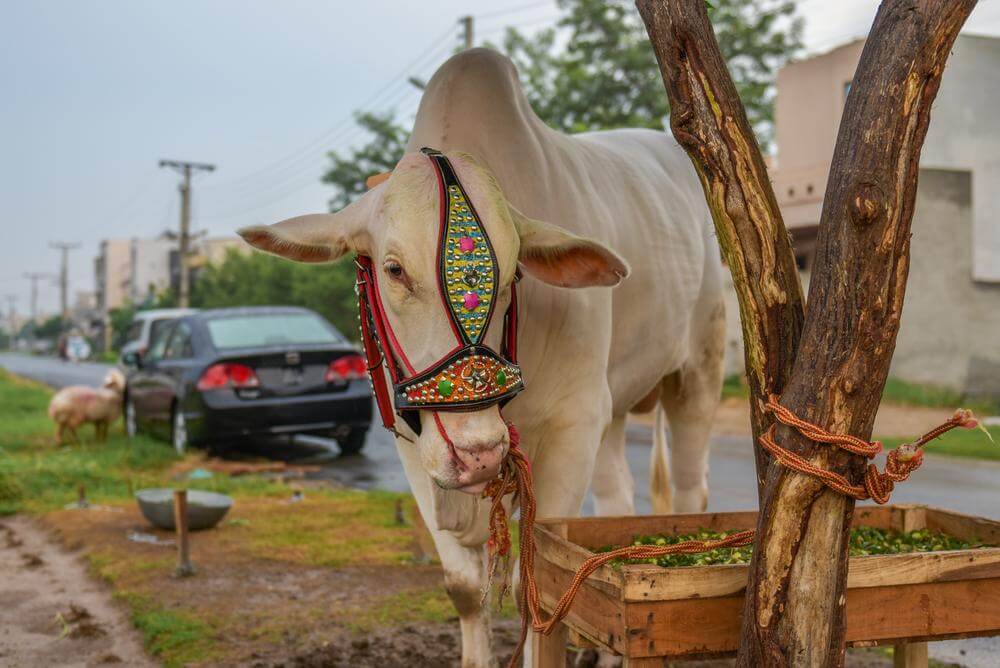
    During the Islamic month of Dhul Hijjah, Muslims are required to slaughter an animal, such as a sheep, goat, cow/bull, camel, or buffalo. Following this, the meat would traditionally be split into three equal parts, in which the donor would receive one share, their friends/family would receive another, and the final part would be given to the needy. Despite this, modern Muslims in the UK typically make a Qurbani donation to a Muslim charity that will pay for the slaughtering of an animal that will be distributed to the poor.

    What does Qurbani mean?

    Qurbani is the Arabic word for sacrifice, which is quite fitting when considering what the festival represents.

    Why do we do Qurbani?

    Muslims do Qurbani in order to honour the sacrifice that Ibrahim (AS) intended to make in the name of Allah (SWT). Allah (SWT) requested that Ibrahim (AS) sacrifice his son, Ismail (AS), to display his devotion to Him. During the sacrifice, Ibrahim (AS) was blindfolded, whilst Ismail (AS) had asked to be restrained so that he couldn’t struggle. Upon making the sacrifice, Ibrahim (AS) removed his blindfold to find Ismail (AS) alive and well, whilst a slaughtered ram laid in his place. Allah (SWT) had saved Ismail (AS) as a reward for the pair’s dedication to Him in order to show that He would always care for His loyal followers.

    Who do you give Qurbani to?

    As previously mentioned, Qurbani was initially split between the donor, their family/friends, and someone in need. Despite this, Muslims in the UK usually give their Qurbani to a Muslim charity so that a sacrifice can be made in their name to feed a family in need.

    Who is Qurbani compulsory on?

    Qurbani is compulsory for all eligible Muslims. In order to be eligible, the person must be of sound mind, over the age of puberty, and have a wealth that exceeds the Nisab threshold.

    How do you calculate Qurbani?

    For anyone wondering how to calculate Qurbani, different animals account for a different number of Qurbani shares. Small animals such as sheep and goats count as one share of Qurbani, whereas larger animals, including cows/bulls, buffalos, and camels account for seven Qurbani shares.

    How does Qurbani work?

    When it comes to Qurbani, how it works will differ from country to country. As previously mentioned, Muslims in the UK will typically make a donation for the sacrifice to be carried out in a Muslim country by the word of the Qur’an. Despite this, during the Hajj pilgrimage, some pilgrims may pay for animals to be sacrificed in slaughterhouses near Mecca. Otherwise, Muslims in countries that don’t have excessive rules about the slaughtering of animals may carry out the sacrifice themselves.

    In order for an animal to qualify as Qurbani, it must be able to walk itself to the slaughter, not be blind, not be missing over a third of its ear/tail, not have horns broken from the root, not have a lame leg, not be too thin, and not be missing more than half of its teeth. Similarly, sheep and goats must be older than one year old, whilst cows/bulls, buffalos, and camels mustn’t be younger than two years old.

    How much Qurbani do I give?

    If you’re eligible to give Qurbani, you must give at least one share; however, many Muslims decide to give more. For instance, the head of the household will often give Qurbani shares on behalf of their dependents, as well as their deceased relatives. Should more than one member of the household qualify to give Qurbani, one share for each eligible member must be given.

    Can you remove your hair before Qurbani?

    Once the month of Dhul Hijjah has begun, it’s not customary for anyone intending to offer a Qurbani sacrifice to cut their hair or nails.

    What is Eid al-Adha?

    Eid al-Adha, otherwise known as the Festival of Sacrifice, is the celebration that marks the end of the Hajj pilgrimage. This is a time of worship, remembrance, and thankfulness, in which Muslims appreciate their blessings from Allah (SWT).

    How do I give Qurbani?

    For anyone wondering how to give Qurbani in the UK, it couldn’t be simpler with the help of Children of Adam. We accept your Qurbani donations via our Qurbani 2022 page, so fulfil your obligation to Allah (SWT) with us.
  • History of Qurbani

    History of Qurbani

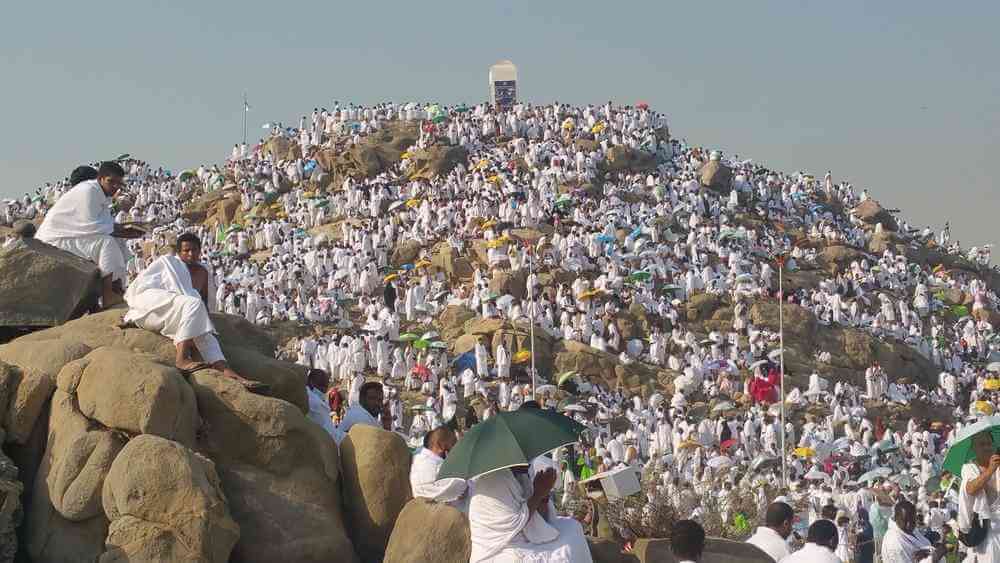
    This is the mountain upon which Allah (SWT) performed a miracle in honour of the unwavering faith that Ibrahim (AS) and his son, Ismail (AS) expressed towards Him. As a result, the mountain is regarded the space upon which the sincerest meaning of obedience and sacrifice was learnt and understood by humanity. This is just one of the many benefits of Qurbani.

    As a Muslim charity in the UK, Qurbani and its roots are incredibly important to us. Read on to discover more about the importance of Qurbani and to answer the question of “Why do we do Qurbani?”

    What is Qurbani?

    First things first, we must make it clear what Qurbani is. Qurbani is the sacrificing of an animal in the name of Allah (SWT), which takes place from the 10th to the 13th day of Dhul Hijjah. This sacrifice is performed to mark the completion of Hajj, as well as to commemorate the sacrifice of Ibrahim (AS).

    Qurbani is much more than simply slaughtering an animal and distributing its meat; its key purpose is to bring one closer to Allah (SWT). It’s easy to lose oneself in the chaos of everyday life and forget one’s true purpose, which is to submit to Allah (SWT) and sacrifice whatever is asked of us. Qurbani reminds us of our life’s purpose.

    The Sacrifice of Ibrahim (AS)

    The Qurbani story recalls Ibrahim (AS) being addressed by Allah (SWT) in a dream, whereby He commanded that Ibrahim (AS) must sacrifice his son, Ismail (AS). Out of devotion to Allah (SWT), neither Ibrahim (AS) nor Ismail (AS) questioned this command and made the preparations for the sacrifice.

    Ismail (AS) requested that he be bound by ropes so that he was unable to struggle, whilst Ibrahim (AS) wore a blindfold so that he didn’t have to witness his son’s suffering. Following this, Ibrahim (AS) took a knife to his son and made the sacrifice; however, upon removing his blindfold, he found his son to be alive and well. Instead, a slaughtered ram lay in his place, as Allah (SWT) had saved Ismail (AS) as a reward for the pair’s dedication to Him. From this, we can understand that Allah (SWT) will always care for those who express unwavering faith in Him.

    Mount Arafat

    Mount Arafat sits just 20 kilometres to the east of Mecca and reaches around 70 metres above sea level at its highest point. This makes it the tallest point in the centre of the Plain of Arafat.

    The first Qurbani isn’t the only significant event that is believed to have taken place at Mount Arafat. In fact, this mountain is thought to be the place where Allah (SWT) forgave Adam for his first sin that led to him being expelled from heaven. Similarly, some believe that this is the site in which Adam and Hawa were reunited following their fall from heaven. As a result, Mount Arafat is also believed to be the ideal location to pray for a marital life partner.

    Additionally, Mount Arafat is the location where the Prophet Muhammad (PBUH) delivered his farewell sermon to those who had joined him on the Hajj to Mecca. Quite simply, Mount Arafat has undeniable significance in the Qur’an, and each of us can continue to learn from the teachings and sacrifices that took place here.

    The Day of Arafat

    Due to one of the most selfless and pure displays of obedience to Allah (SWT) taking place upon this mountain, Muslims now celebrate the Day of Arafat on the ninth day of Dhul Hijjah. This celebration is often commemorated by Muslims travelling to Mount Arafat on the Hajj, in which they will partake in Wuquf (standing before God) until dusk. The Zuhr (noon) and Asr (afternoon) prayers are performed by the pilgrims, who then repent previous sins and seek Allah’s (SWT) mercy.

    The mountain’s great height and religious significance have enabled it to see so much, meaning we can be inspired by its wisdom. Mount Arafat should always be considered as we contemplate how we lead our lives. The site can inspire us to progress in our waking, working, and giving alike.

    Donate Your Qurbani to Children of Adam

    Children of Adam is a UK Qurbani charity, meaning that we welcome your charity Qurbani donations.

    We understand that making a physical Qurbani sacrifice isn’t always possible, which is why we provide you with the option to make a monetary donation. We will use this donation to slaughter an animal in an Islamic country by name of the Qur’an and distribute the meat to those in need.

    You can make your 2024 Qurbani donation here.

  • What we are doing to help families in Pakistan survive a harsh Winter

    What we are doing to help families in Pakistan survive a harsh Winter

    Winter in Pakistan

    In the winter, there is often heavy snow, cold winds and dropping temperatures, and as a result of this, many families require provisions like food and heating resources to help them to get through the harsh and dangerously cold winter weather. Without these resources, they often struggle to get through winter in full health, or struggle to overcome the effects of living through a winter there, and many end up with the flu, a cold, or even pneumonia, which can be extremely detrimental to a person’s health.

    How We Are Helping Families in Pakistan

    Children of Adam are working to provide these provisions for the impoverished and vulnerable in Pakistan to give them the best chance of getting through the winter months, and with your help, this will be achievable, Insha’Allah.

    We are working to provide families in Pakistan with resources during the winter months, including food like rice, flour, pasta and oil, as well as other dry foods that will keep them well fed and that will strengthen their immune systems to fight off any winter-illnesses.

    We also provide thick blankets and clothes like gloves, scarfs, socks and hats, and heating resources like gas, wood and electricity to help families stay warm during the bitterly cold winter. These items are essential in supporting our brothers and sisters in Pakistan to combat the winter months with the best possible chances of survival and health.

    How You Can Help Those in Pakistan

    Please donate what you can to our winter appeal, as your donations will allow us to provide families in Pakistan with basic necessities including food, clothing, thick blankets, heating resources and shelter, all of which have immense and positive impacts on the recipients, as well as rewards for the giver.

    The Prophet Muhammad (PBUH) said, ‘The believer’s shade on the Day of Resurrection will be his charity.’ (Tirmidhi)

    For £20, an individual will be provided with a hat, scarf, gloves, socks and blanket, which greatly supports them during the harsh winter. Donate £20 here.

    £30 will provide a family of 4-6 members with food, including pasta, oil, rice and flour, as well as other dry foods. Donate £30 here.

    £50 will provide a family with heating in the form of gas, wood or electricity, which allows a household to get through the winter and stay warm. Donate £50 here.

    £100 willprovide all the above provisions; food, clothes and heating to support a family in need. Donate £100 here.

    Please donate to our winter appeal to provide those in Pakistan with the resources they need to make it through this winter. With your help, we will help our brothers and sisters in Pakistan to get through many winters to come, Insha’Allah.