Author: Munir Bhimani

  • The Five Pillars Explained

    The Five Pillars Explained

    This is extremely important in the Islamic faith as these obligations provide the framework of a Muslim’s life, influencing their everyday activities. In Islam, it’s considered pointless to live a life without putting faith into practice, meaning Muslims must prioritise their faith rather than trying to slot it amongst their secular lives. So, what are the Five Pillars of Islam that every Muslim bases their existence on?

    Shahadah 

    Shahadah refers to the sincere recital of the Muslim profession of faith. Quite simply, this is the belief that “There is no God but Allah (SWT), and Muhammad (PBUH) is His messenger.” Anyone who is unable to wholeheartedly recite this statement can’t be regarded as a true Muslim. As a Muslim recites this, they must too proclaim that:

    • Allah (SWT) is the sole God, and Muhammad (PBUH) is his prophet
    • They personally accept this as true
    • They will obey all commitments to Islam throughout their life

    In order to become a Muslim, one must recite this statement three times in front of witnesses. It’s expected that the individual is completely sincere and has a whole understanding of what the statement means. The Shahadah is written in Arabic on the flag of Saudi Arabia, as this is the state that contains Islam’s holiest places.

    Salat

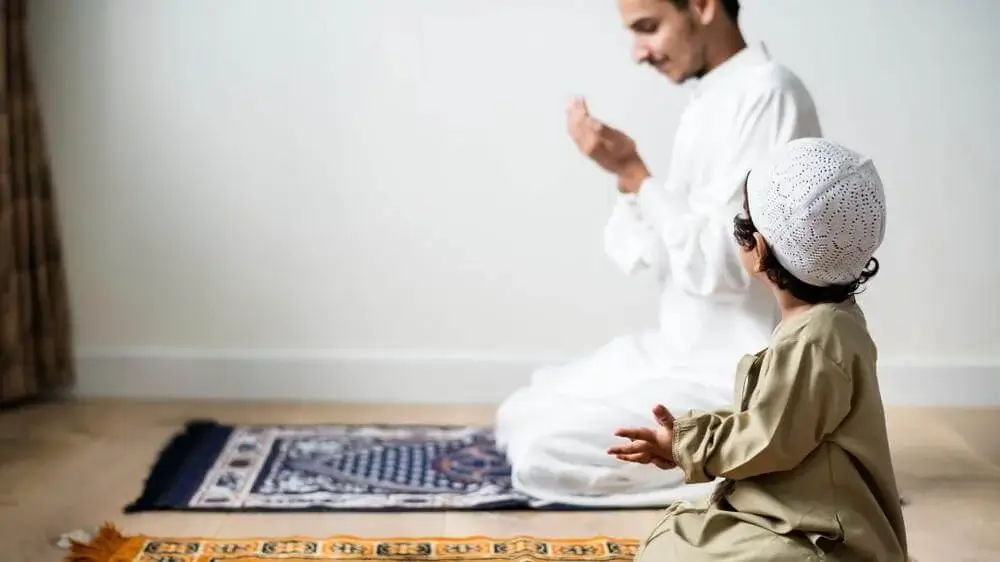
    Salat (Salah) is the performing of ritual prayers in the correct way five times a day. Muslims are instructed by Allah (SWT) to pray at the set times each day:

    • Salat al-Fajr: before sunrise
    • Salat al-Zuhr: after the sun passes its highest
    • Salat al-‘Asr: the late part of the afternoon
    • Salat al-Maghrib: just after sunset
    • Salat al-‘Isha: between sunset and midnight

    Muslims are encouraged to do this from as young as seven years old, and this prayer timetable establishes the rhythm of their day. This prayer ritual is over 1,400 years old and connects each Muslim to one another across the globe.

    These prayers aren’t simply spoken; instead, every Muslim should unite their mind, body, and soul during worship. As a result, a set of movements will often be executed alongside the words of the prayer. It’s imperative that a Muslim engages in prayer in the correct mindset by putting aside all everyday concerns. Praying in the wrong frame of mind is equal to not praying at all.

    Similarly, every Muslim must recognise that they don’t pray for the benefit of Allah (SWT), as he has zero needs. Instead, a Muslim must pray because they’ve been instructed to by Allah (SWT), and they will receive great benefit in doing so. Prayers should always be spoken directly to Allah (SWT), regardless of where you are. Although it’s particularly beneficial to pray with others in the mosque, Muslims are able to pray anywhere. Despite this, they must always be clean before they pray and perform ritual washing ahead of prayer times.

    Zakat

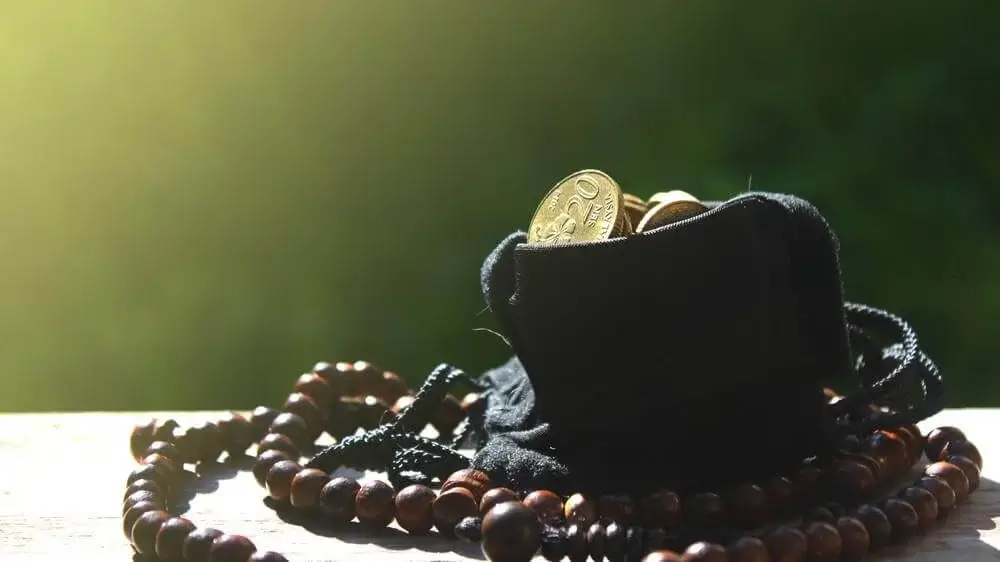
    Zakat refers to paying an alms tax to aid the needy. This is a compulsory donation of a set proportion of one’s wealth. As a result, voluntary donations such as Sadaqah Jariyah don’t count as Zakat. Muslims are required to donate Zakat in order to purify their wealth; this is done by donating 2.5% of one’s wealth on a yearly basis to the poor.

    As well as aiding the poor, paying Zakat allows you to:

    • Obey Allah (SWT)
    • Acknowledge that you don’t own anything yourself and that everything is on loan from Allah (SWT)
    • Recognise that you can’t take anything with you when you die and there’s no need to cling to it
    • Acknowledge that Allah (SWT) decides on your wealth status, and you should help those who have been made poor
    • Learn self-discipline
    • Free yourself from the love of possessions, greed, and money
    • Free yourself from the love of yourself
    • Behave honestly

    You can donate your Zakat with Children of Adam using our handy Zakat calculator.

    Sawm

    Sawm is the act of fasting during Ramadan. This is the ninth month of the Islamic calendar and, during this time, all capable Muslims must abstain from food, drink, smoking (including passive smoking), and sexual activity during daylight hours.

    Anyone who is unwell, elderly, pregnant, breastfeeding, menstruating, or travelling is exempt from fasting during this time. Instead, they must pay Fidya or make up for their fasting days at a later date. In addition to these physical restrictions, Muslims must also refrain from engaging in sinful thoughts.

    The fast is carried out for many reasons, such as:

    • Obeying Allah (SWT)
    • Connecting with other Muslims
    • Displaying gratitude for the Holy Qur’an that was initially revealed during this month
    • Experiencing the sufferings of the poor and displaying empathy
    • Appreciating Allah’s (SWT) gifts to us
    • Growing spiritually stronger
    • Learning self-discipline

    Before dawn, Muslims will eat Suhoor to prepare them for the day’s fast. Once the sun has set, many Muslims will break their fast with dates and water as this is how Prophet Muhammad (PBUH) broke the first fast. Following this, they will eat their Iftar meal.

    Ramadan is closed with Eid ul-Fitr, which is a festival that is marked by dressing up, engaging in prayer at the mosque, and enjoying celebratory meals with family and friends. Since the Islamic calendar follows the lunar position, the dates of Ramadan will vary from year to year.

    Hajj

    On a yearly basis, all Muslims are expected to gather together in Mecca, stand before the Kaaba, and praise Allah (SWT) together. This ritual was designed to encourage the bonds of Islamic unity by showing that Allah (SWT) views everyone as equal. The Hajj strips away all indications of social status, emphasising the importance of life on earth and in the afterlife alike. Everyone is truly equal in the Hajj.

    During the pilgrimage, everyone wears plain white clothing called Ihram, performs acts of worship, and renews their sense of purpose in the world. Mecca is regarded as such a holy place that no non-Muslim is permitted to enter. The Hajj occurs during Dhul Hijjah, which is the twelfth month of the Islamic calendar. Every able Muslim must embark on this journey at least once in their life.

    Fulfil Your Islamic Duties with Children of Adam

    A donation to Children of Adam will strengthen your relationship with Allah (SWT) and bring you closer to righteousness. Donate today.
  • Fidya and Kaffarah Explained

    Fidya and Kaffarah Explained

    The pillars of Islam are the fundamentals of the religion and were set out by Allah (SWT) to guide Muslims to live a good, honest, and responsible life in line with His teachings outlined in the Qur’an. Prophet Muhammad (PBUH) lived his life by these pillars, and Muslims should strive to do as he did so that they too can please Allah (SWT) in the name of Islam. 

    All Muslims must abide by the five basic principles, including Sawm. That being said, there are instances in which a Muslim may be unable to observe Sawm during Ramadan. Depending on the reason behind their inability to observe Sawm, there are two provisions that must be made: Fidya or Kaffarah.

    There is often much confusion surrounding Fidya and Kaffarah, which is why we’ve put together this handy guide explaining exactly what they are and what role they play in Ramadan and Islam as a whole.

    What is Fidya?

    Firstly, let’s explore Fidya. This is a compensation that Muslims who are unable to fast during Ramadan, but only if they have a valid reason not to complete the fast. Whilst Sawm is a core principle of Islam, some people are unable to observe the fast during Ramadan, and for these people, Fidya is the permissible compensation. Under Ramadan rules, there is a select group of people who may postpone their fast and give Fidya. They are as follows:

    • Elderly and frail Muslims
    • Muslims with health conditions that are incompatible with fasting
    • Muslims who are travelling
    • Muslim women who begin menstruating

    If you fit into any of the above categories, you may be liable to pay Fidya.

    How is Fidya Paid?

    Those who have a valid excuse to not fast must make up the missed days of fasting later in the year. The days are equally matched, so if you miss four days of fasting, you must fast for four days later in the year. If you have a terminal health condition or won’t be able to fast before the next Ramadan, you must make a monetary donation to a Fidya charity like Children of Adam. This donation will go towards feeding someone hungry.

    How Much is Fidya? 

    The rate of Fidya can change year on year, but it is typically priced in the region of £4 per day of missed fasting. This means if you miss four days of fasting and you can’t make them back up, you must pay £16. It’s always preferred to make up the fast, but if you’re terminally ill or unable to do so because you’ll be breastfeeding for the next year for example, then you may make the monetary donation.

    When to Pay Fidya Ramadan

    It is recommended that if you know you won’t be able to fast during Ramadan and won’t be able to make the days up, then you pay your Fidya early so the money can be used to feed the fasting during Ramadan.

    Alternatively, if you will be making up the fast later on, you can do so at any point in the year except during Eid celebrations as it is forbidden to fast during these times.

    What is Kaffarah? 

    Kaffarah is payable by Muslims who intentionally break their Ramadan fast without a valid reason. This means anyone who isn’t exempt as listed above should pay Kaffarah. An example might be a male Muslim who is in good health feeling hungry during the day in Ramadan and intentionally choosing to eat.

    If you accidentally eat during Ramadan and genuinely forget that you’re fasting, for example taking a sip of water then realising it’s Ramadan, you are not liable to pay Kaffarah as your fast isn’t broken.

    How to Pay Kaffarah

    Kaffarah is to be paid in the same way as Fidya, with making up the missed fast later in the year being preferable, but if this isn’t possible, a charitable donation can be made.

    How Much is Kaffarah?

    Kaffarah is much harsher than Fidya, with every day of broken fasting requiring 60 days of fasting or 60 lots of Fidya to be paid.

    When to Pay Kaffarah 

    Like Fidya, Kaffarah fasts can be made up at any time of the year except during Eid celebrations. If you cannot fast to make up your Kaffarah, you should make your donation before the end of Ramadan.

    What is the Difference Between Fidya and Kaffarah?

    The main difference between Fidya and Kaffarah is the intention behind them. Those who pay Fidya have a genuine and acceptable reason to miss their fast, meaning they are not sinning. In contrast, those who pay Kaffarah are sinning by intentionally going against Allah’s (SWT) command without a good reason to do so. This is why the Kaffarah amount is so much higher – to reflect the severity of the sin.

    How to Pay Fidya and Kaffarah 

    If you are liable to pay Fidya or Kaffarah and cannot make up the fast, you can make your donation through Children of Adam. We will use your donations to feed those who are hungry, ensuring your money is used to save lives and nourish those who need it the most.

  • How to Distribute Qurbani Meat

    How to Distribute Qurbani Meat

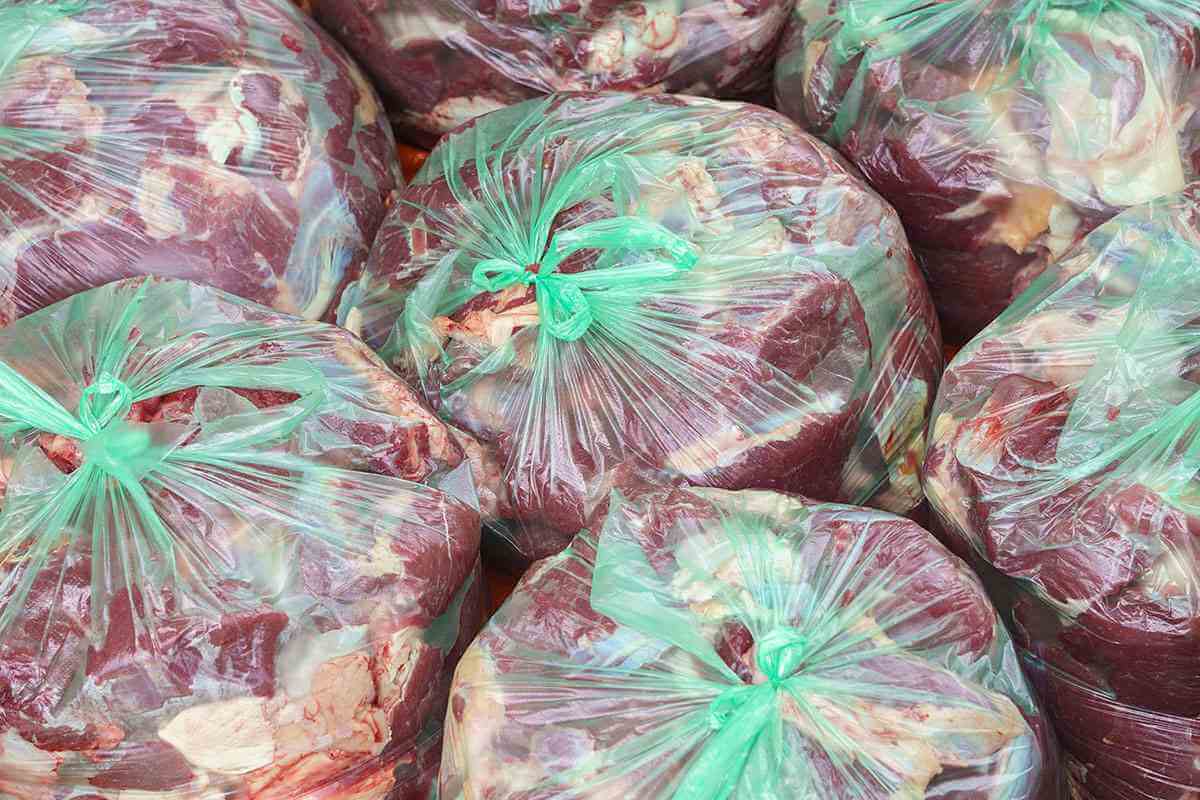
    The distribution of Qurbani meat is one of the core aspects of the festival of the sacrifice, with great emphasis placed on the need for those who are most poor and needy benefiting. As per Islamic tradition, each sacrifice should account for three equal shares – one to the person making the sacrifice, one to a friend or relative, and one to someone in need.

    For those wondering how to give Qurbani in the UK, In the modern-day, most Muslims will not carry out the sacrifice themselves due to domestic laws that exist. These laws make it illegal for anyone other than registered slaughterhouses to slaughter livestock. This means that Muslims, to appease Allah (SWT), make donations to charities such as Children of Adam, who will ensure that a sacrifice is carried out in their name and shares of meat are distributed, all in keeping with Qur’anic law.

    What Meat Can be Given?

    There are set Qurbani rules in Islam regarding which animals qualify as a Qurbani sacrifice. The following animals qualify as a suitable Qurbani donation:

    • Sheep (minimum of one year old)
    • Goats (minimum of one year old)
    • Cows (minimum of two years old)
    • Camels (minimum of five years old)

    How is Qurbani Worked Out?

    For those wondering how to calculate Qurbani, the larger the animal, the greater the number of available shares. Therefore, goats and sheep account for one share, whilst camels and cows are each worth seven shares. Each qualifying Muslim is required to donate one share and the head of the household must also donate on behalf of their dependents. Therefore, how much Qurbani per family will depend on the number of family members.

    Many Muslims decide to donate Qurbani on behalf of friends and family members who have passed on. While this is not compulsory, neither is it prohibited and will bring with it extra rewards, both for the person donating and for the person whose name it is being made in. Even if that person is in the afterlife, they will still receive the rewards and benefits from Allah (SWT).

    Who Qualifies to Give Qurbani?

    Eid al-Adha Qurbani rules state that those with a personal wealth that exceeds the Nisab value are expected to make a Qurbani donation. This is the only parameter for Qurbani, unlike Zakat, which may call on the need for Muslims to calculate their wealth, income, and savings to determine whether they are eligible.

    A Qurbani donation should be given as early as possible, allowing ample time for the sacrifice to be made before the end of Eid al-Adha. Should your donation not be made before the end of Eid, you will miss Qurbani and should seek forgiveness from Allah (SWT) for missing this religious due.

    If you miss one year’s Qurbani, you may make a donation covering multiple shares to make up for your missed donations.

    Who Receives Qurbani Meat?

    When you donate through Children of Adam, we will ensure that your shares of Qurbani meat are distributed to those most in need. That means we will distribute cuts of meat to those most deserving, both here in the United Kingdom and overseas.

    Make your Qurbani donation with Children of Adam, and we will ensure that your sacrifice is carried out as per the word of Allah (SWT) and that your share of meat is used to support the poorest and neediest.