Category: News

  • Stop The Suffering Of Yemen This Winter

    Stop The Suffering Of Yemen This Winter

     Life for the Yemeni people is a daily struggle to find the most basic of food, and medical care, leaving millions in a situation of acute starvation and risk of death.

    Yemen famine – a country on the brink of starvation

    To add to the already desperate situation, two-thirds of major UN aid programmes announced at the start of 2022 that they were having to reduce funding or close down completely. As a result, many aid agencies have been forced to scale back their operations. These disastrous policies have struck the Yemeni people hard, as they struggle to fill the gap left by these agencies, and it is only going to get worse as further funding cuts are on the horizon.

    In practice, what this means is that while five million families will continue to receive the full ration of food parcels provided by the United Nations World Food Programme (which covers basic necessities – just), a further eight million Yemeni families will have their food rations cut even more, plunging them into food poverty and acute risk of starvation. They will receive barely half of their most basic daily nutrition needs, which is inevitably leading to an increase in malnutrition and premature deaths.

    In numbers, the forecast is grim – over half the population – 16.2 million people, face acute starvation. Half of the children under the age of five (about 2.3 million and falling) are at risk of malnutrition.

    Deepening economic crises

    Yemeni’s problems are complex and deeply entrenched in civil conflict and corruption but, over the last 10 years, those problems have intensified to produce a cycle of violence, political upheaval, and institutional collapse. As a result, the country is operating under a beleaguered economic system that has seen massive currency devaluation and hyperinflation add to the overall rise in the cost of living, leaving many families destitute. The Yemen famine can be understood when you consider that the World Food Programme needs US$1.97 billion to deliver food to those families who are on the absolute brink of starvation.

    In 2021, food prices more than doubled as currency rates dropped. If global food programmes struggle to feed the Yemeni people adequately, what hope do the people have of finding food for themselves? Increasingly these organisations are turning to grassroots charities such as Children of Adam to further assist how you can help Yemen through the worst of the crises.

    A worsening medical crisis

    Eroded by famine, conflict, and lack of investment, overrun by the effects of malnutrition on the general state of the population’s health, the Yemeni health service is barely functioning. As well as the effects of malnutrition and the added pressure of Covid19, the demographic most at risk are pregnant women.

    It is estimated that there are five million women of childbearing age in Yemen, of which 1.7 million are pregnant or breast feeding at any one time. These women have little or no access to reproductive health services, including antenatal care, safe delivery, postnatal care, family planning, and emergency obstetric and newborn care. This crisis in care has led to:

    • Over one million pregnant and breastfeeding women becoming malnourished, leading to newborns with stunted growth.
    • One woman dying every two hours in Yemen during childbirth from almost entirely preventable causes.
    • A maternal mortality of 164 maternal deaths per 100,000 live births.

    As well as the overall risk to women and children, hundreds of thousands of Yemenis are struggling to deal with routine health issues that would normally be dealt with quickly and competently in wealthier countries. The country’s life expectancy is just 63.27 – significantly lower than the international average.

    Shortage of care, lack of medicines, lack of a referral system, severe infrastructural damage, underfunding, and understaffing means that most Yemenis are restricted access to medical services, contributing to an increase in the death rates of those who would normally be successfully treated.

    How you can help the people of Yemen

    Since funding by the United Nations World Food Programme was cut, aid agencies are becoming ever more reliant on outside sources to help them supplement food rations and medical care that is being given to the Yemeni people. Yemen-focused charities are increasing their efforts to increase funding levels that can be spent on alleviating the Yemen famine crisis, increasing the levels of nutrition to a population that is fighting for its very survival.

    Even a small increase will help the Yemeni children and women to fight the worst of malnutrition and start to rebuild health and immunity.

    If you would like to help ease the desperate humanitarian crisis in Yemen, that so many millions of its people have unwittingly found themselves in, please donate as much as you can. You’ll be saving many lives.

  • Fighting Homelessness Worldwide As Prices Soar

    Fighting Homelessness Worldwide As Prices Soar

    What constitutes a homeless person in the UK, does not necessarily translate into the same thing on the streets of India, Bangladesh, and Indonesia. That makes neither one nor the other more acceptable – it simply refers to what is acceptable in a certain culture or environment.

    For example, in the developing world, many individuals travel from rural to urban areas to seek work, earning money that can help to supplement their village life. Leaving behind homes and families, they often work in low-paid, unskilled work and choose not to find accommodation to ensure that they can send their money back to their families.

    It’s been difficult to get a true picture of homelessness in the UK. The numbers have been skewered recently because of Covid19, and initiatives put in place to protect the homeless during lockdown. Rough sleepers were housed in hostels, meaning that the number of those on the street reduced by five percent between 2019 and 2020.

    Now that restrictions are all lifted, these numbers are set to rise to 270,000 by 2024 and reach close to 300,000 by 2036.

    The rising cost of living as a cause of homelessness

    It is a simple concept to simply link the increase in the cost of living to homelessness. While it may play a contributory factor, it is rarely the sole cause. Rather, it is often part of a spiralling of events that can lead to someone losing their home and finding themselves out on the streets. Meanwhile, when the cost of living is set to soar as much as is currently predicted, then it may well precipitate the number of people who will end up homeless on the streets of the UK in the coming months and years.

    In developing countries, there are a number of factors that contribute to people living on the streets.

    Lack of affordable housing

    Many developing countries are experiencing an explosion in the growth of their urban populations. Rural incomes are struggling to keep up with modern costs and, as more and more (often young men) arrive in the cities, the housing system is failing to keep pace and produce adequate, affordable housing solutions to ensure people keep off the streets.

    The confusion often comes because a lot of these young men choose to sleep wherever they can find a convenient spot rather than pay for accommodation – preferring to send the money they earn back to their families. It is because of this that there is a degree of grey area as to who and what constitutes a homeless person – many of these young men are simply following a route that many of their family members have followed before and do not consider themselves homeless.

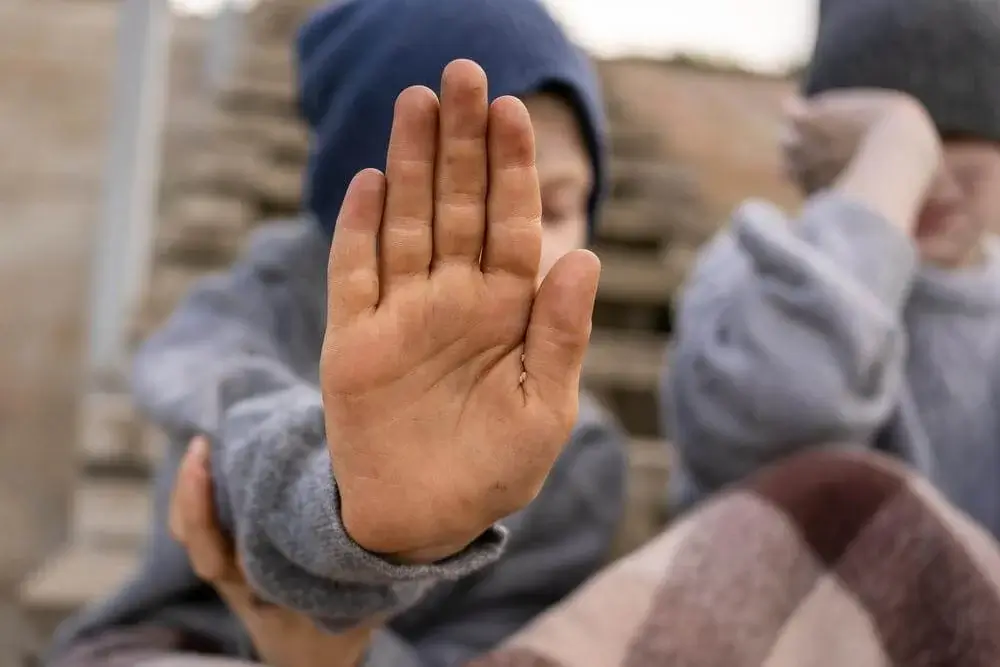
    What is more concerning is the growing trend of women and children who are considered homeless. A woman may be escaping from an abusive situation (either from the husband, or the husband’s family). They may be abandoned or widowed and cast out by other family members. Finding themselves alone, with no money, on the streets with young children to look after, these women are at severe risk of falling into prostitution or violent attacks by men.

    Mental health, addiction, and homelessness

    Mental health and addiction are synonymous with homelessness, and this is universal. Whether it is the mental health and addiction problems that are a direct cause of homelessness through an inability to work, or whether a chain of events led someone to be on the streets, and that in itself created the mental health and addiction issues – they are a primary factor in keeping people on the streets and out of the workplace.

    These states make people more vulnerable to finding themselves out on the streets. Equally, once they are on the streets, they are more vulnerable to being caught in an addiction trap, which can lead to mental health issues. It is one of the universal states that societies are fighting the world over through effective housing programmes. With little or no systemic help in place to help people fight their addictions, homeless people are left abandoned to struggle through and fight their own demons.

    Whatever it is that put people on the streets in the first place, they all remain vulnerable and at risk of a number of different dangers – becoming victims of crime, falling into prostitution, succumbing to drug and substance abuse, child trafficking, hunger, and poverty.

    If you would like to help alleviate the struggles of those on the streets, both in the UK and across the rest of the world, your donation can make a massive difference. Donate today to help take a kid off the streets and give them a chance to make a better life for themselves.

  • Who is Qurbani Compulsory on?

    Who is Qurbani Compulsory on?

    This is because Qurbani commemorates the sacrifice that Ibrahim (AS) intended to make in the name of Allah (SWT), as well as the miracle delivered by Allah (SWT) to save Ibrahim’s (AS) son, Ismail (AS).

    In simple terms, the Qurbani rules in Islam state that the act is obligatory for every eligible Muslim. This eligibility stems from being of sound mind, over the age of puberty, and having a disposable income that meets the Nisab threshold. When it comes to giving Qurbani, rules dictate that one qualifies as soon as one reaches this threshold. This is dissimilar to giving Zakat, wherein your wealth must exceed Nisab for one full hawl, which is a lunar year.

    Who Gives Qurbani?

    Regardless of location, it’s a Muslim’s duty to perform Qurbani; however, some areas may restrict the actual slaughtering of an animal. For instance, it’s not permitted for individuals in the UK to complete slaughters, as they must be executed by licenced slaughterhouses. Therefore, Muslims in the UK will typically donate an amount that’s equal to the number of Qurbani shares they’re giving.

    Similarly, pilgrims may pay for animals to be sacrificed at slaughterhouses near Mecca during the Hajj pilgrimage. This way, they can ensure that the sacrifice is carried out whilst following Islamic practice. Upon the animal being slaughtered, it will be divided into three equal parts, including one for the donor, one for their family/friends, and one for the needy.

    Here at Children of Adam, we accept your Qurbani donations, which we will use to perform the sacrifice and distribute the meat to the needy.

    Who Do You Give Qurbani to?

    As previously mentioned, traditionally, Qurbani will be split into three equal parts, whereby the donor, their family/friends, and the needy will each receive a share. Despite this, since it’s not permitted to carry out slaughters in the UK, Qurbani will typically be received by the needy exclusively. This is achieved by donating to a Muslim charity such as ourselves, in which we will use the funds to carry out the slaughter in one of the communities we work with and distribute it amongst hungry individuals.

    How Many Family Members Should Give Qurbani?

    Each eligible family member is obligated to give Qurbani; if more than one person in the household meets the eligibility requirements, it’s not permissible to give only one Qurbani. For example, two Qurbani donations would be required of a family consisting of a husband, a wife, and two children so long as the parents’ wealth meets the Nisab threshold.

    Despite this, the head of the household may also make Qurbani donations for each of their children. Although this isn’t compulsory, the generous act will make the head of the household appear more righteous in the eyes of Allah (SWT).

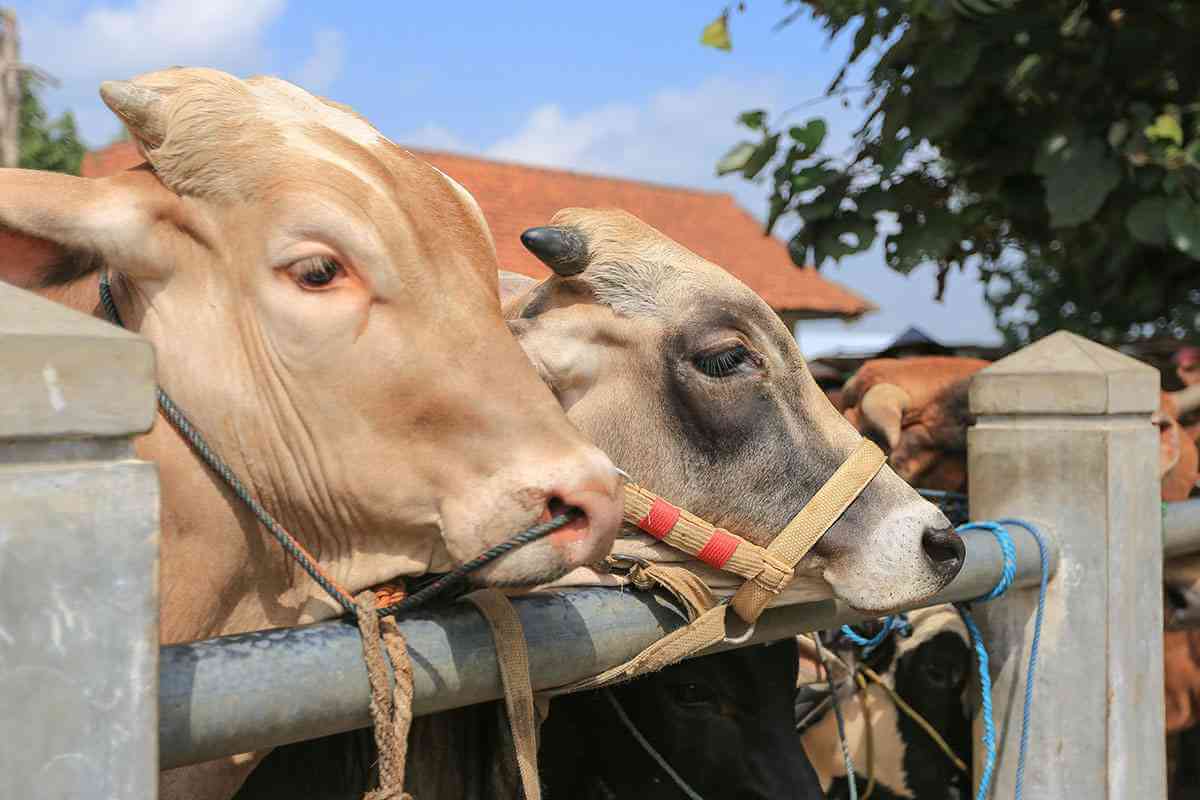
    With this being said, some animals will account for more than one share of Qurbani. For instance, small animals such as goats and sheep count as one Qurbani share, whereas larger animals, including cows/bulls, buffalos, and camels account for seven shares.

    Can Qurbani be Given on Behalf of Someone Else?

    Typically speaking, those who have to give Qurbani will also donate on behalf of someone who can’t do so. This can be down to the fact that they don’t meet the above requirements or they’re no longer with us. As a result, the head of the household will usually give Qurbani on behalf of their dependents or even their deceased relatives.

    Missed Qurbani

    Should you miss an opportunity to give Qurbani, you can reconcile at a later date. For example, you might pay two shares of Qurbani the following year.

    It’s the duty of Muslims to do all they can to make a Qurbani donation when they’re eligible. Qurbani is accepted on the 10th, 11th, and 12th days of Dhul Hijjah, and the Qurbani Eid rules state that the sacrifices must take place subsequent to the Eid prayers. In fact, the Eid al-Adha Qurbani rules dictate that any sacrifice that takes place ahead of the Eid prayers or subsequent to the 12th day of Dhul Hijjah won’t count as Qurbani.

    Donate Your Qurbani to Children of Adam

    If you’re eligible to give Qurbani, you can donate to Children of Adam, and we will guarantee that the sacrifice is performed by word of the Qur’an. Be sure to head over to our Qurbani page and make your donation.

    Your generous donations enable us to make a difference in the lives of impoverished individuals across the globe. You can make sure someone in need receives a nutritious meal this Qurbani with Children of Adam. Do your bit, feed the hungry, and save a life, today.